I did not learn it as a child.
Most people in the village did not openly discuss it.
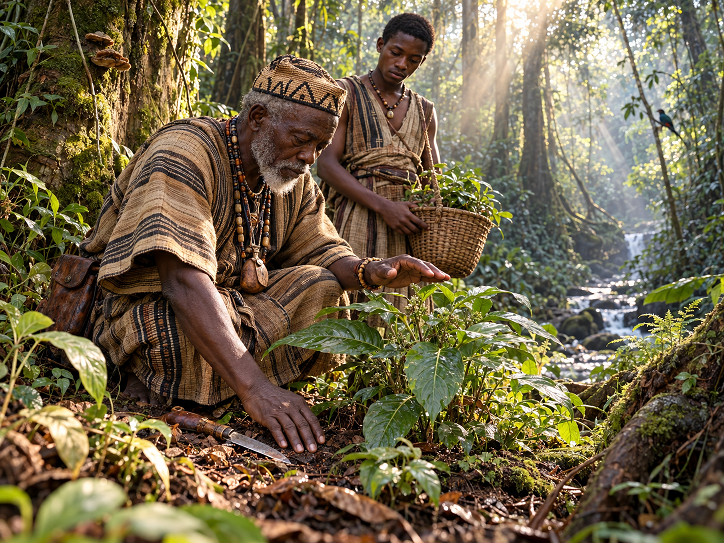
I came to understand it because I come from a structured indigenous African family, and as some of my elders were reaching the end of their lives, they sat me down and explained certain histories, relationships, and responsibilities that had been preserved within the royal lineage. What they taught me was extraordinary.
Our people understood that communities are not always formed peacefully.
Our ancestors migrated.

They encountered other peoples.
Territories changed.
Groups met, fought, joined, separated, and sometimes became part of one another.
Within the larger history remembered as the migrations of Bantu-speaking peoples, my ancestors understood themselves as people who moved, struggled, settled, defended themselves, and eventually established communities.
Along the way, some peoples were conquered or incorporated.
But what fascinated me was what happened afterward.
According to the knowledge passed down to me, when other groups became incorporated into the Mankon community, the objective was not simply to destroy their identity and leave them permanently marked as outsiders.
They had to be protected from permanent exclusion.
They had to be given a place.
They had to become part of the village.
This required time.
It required social organization.
It required intermarriage.
It required responsibility.
And it required a form of cultural wisdom that understood something very important:
A person cannot remain a stranger forever and still completely belong.
If you continuously remind people that they came from somewhere else, you preserve separation.
If generation after generation is told, “You are not really one of us,” then integration has failed.
So the process had to move in another direction.
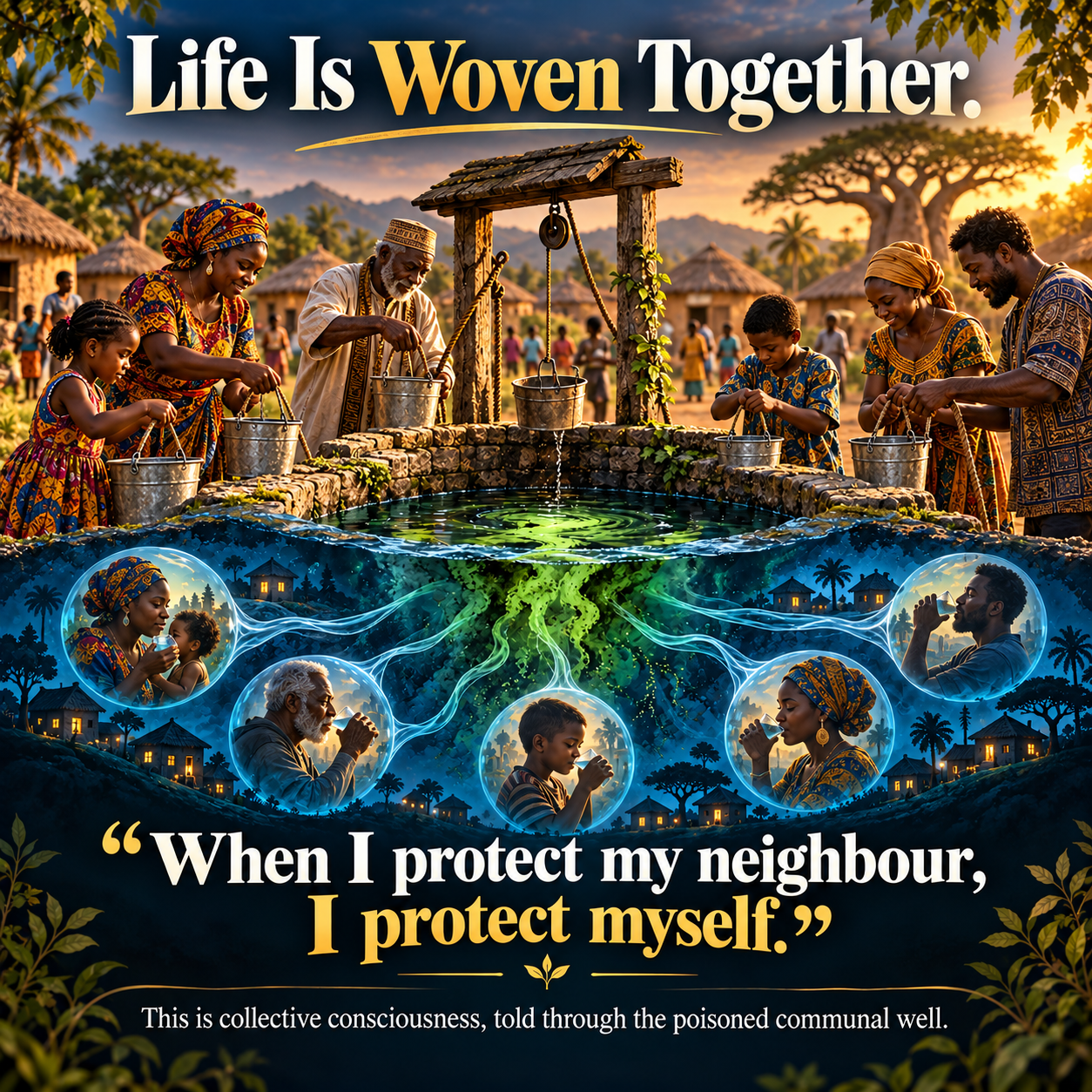
Over generations, people who had once entered the community from outside were gradually woven into village life.
They lived among everyone else.
They participated in customs.
They entered families through marriage.
They became part of bloodlines.
They were given responsibilities.
Some were placed in positions of authority.
Some became quarter heads.
Eventually, an ordinary villager might not even know which families had entered the village through an earlier historical conflict.
That was part of the wisdom.
They were no longer supposed to live permanently under the identity of strangers.
They were Mankon.
Belonging as a Form of Protection
When I finally learned which groups had entered the community through these older historical processes, I was already an adult.
The elders told me because they wanted me to know.
But knowing came with responsibility.
It was not knowledge meant for discrimination.
It was knowledge meant for protection.
I needed to understand who was who so that I would also understand the historical responsibility of the royal institution toward them.
That distinction impressed me deeply.
Knowledge of difference was preserved, but difference was not supposed to become a weapon.
The purpose was not:
“They are different, therefore push them away.”
The purpose was closer to:
“They entered our history under difficult circumstances. Make sure they remain protected, integrated, and respected.”
That is a very different philosophy of power.
Assimilation Without Destruction When people hear the word assimilation today, they often imagine one culture swallowing another.
But what I learned was more subtle.
The goal was not simply to make people disappear culturally.
The goal was to give them enough stability and belonging that they could rebuild their lives within a larger community.
A displaced or conquered people have already experienced disruption.
Their social balance may have been disturbed.
Their leadership may have been broken.
Their family structures may have changed.
Their sense of belonging may have been shaken.
If the victorious community continues humiliating them, the wound continues.
But if the community gives them land, relationship, marriage, responsibility, protection, and social standing, something else can happen.
They can reestablish themselves.
They can grow new roots.
And once roots become strong again, people can begin rediscovering themselves.
That is where this history connects directly with Spiriletics. The Purpose of Reintegration Is Self-Recovery
A person who has been uprooted cannot be expected immediately to understand themselves clearly.
Survival comes first.
This is true of individuals.
It is also true of communities.
But survival is not the final purpose of human life.
Eventually, people need the opportunity to move from survival into recovery.
From recovery into stability.
From stability into self-discovery.
And from self-discovery into purpose.
The community should help make that possible.
This is what I came to appreciate in the system my ancestors developed.
They understood that after disruption, human beings need enough stability to rediscover themselves.
You cannot endlessly disturb a person's identity and then expect that person to fulfill their destiny.
At some point, the disturbance must stop.
The person must be allowed to stand.
The family must be allowed to grow.
The bloodline must continue.
The community must create room for the individual to find balance.